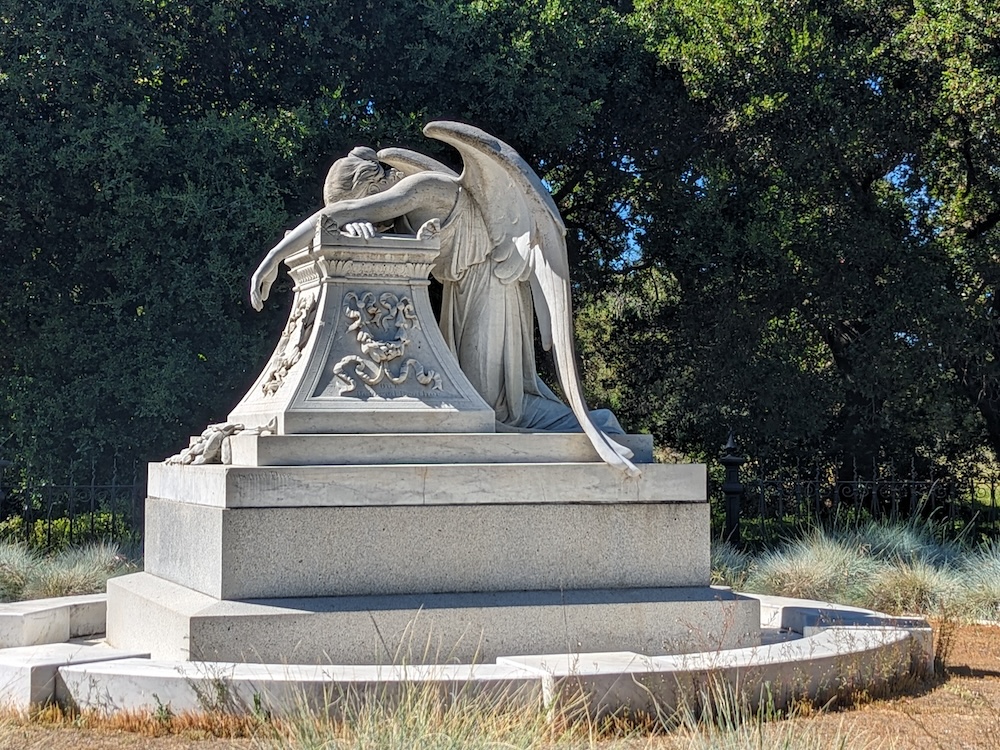
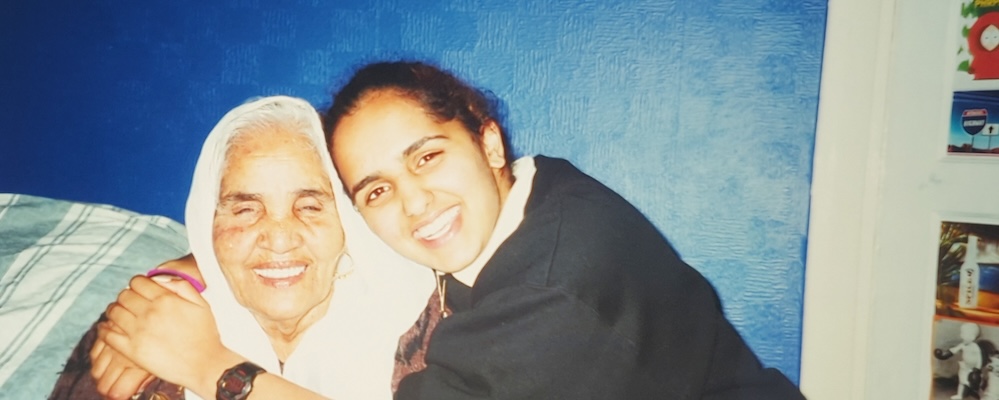
The blues began when I realised that my beloved Bibi-g (nan) had Alzheimer’s. The end is inevitable, so you’re left waiting for the loss, ‘anticipatory grief’. No one tells you that grief doesn’t ever really leave. A few weeks ago, I found myself crying in a conversation with Sonal, like I had just said goodbye, even though it’s been over a decade since that farewell.
The Alzheimer’s began as forgetfulness. The change in Bibi-g’s personality and physicality was gradual, so we initially didn’t see it. (And it’s not something you want to see.) Those small incremental changes were still overwhelming. There was so much I wanted to share with Bibi-g, but Alzheimer’s slowly took her away.
The time of the blues coincided with my first kicks in the Korean martial art of Tae Kwon Do (TKD). TKD cleared the grey fog.
One belt, two belts, a few belts more
My TKD classes were meant to last until Christmas. My goal was to get fit and then feast. But that changed when the temptation of gaining my first belt (yellow) came up. Roshni, whom I’d convinced to join TKD, then convinced me to continue training and go for the next belt (green)—a circle of convincing.
Achieving my black belt took many gradings. Yes, Roshni stayed for the journey, which kept me going, too. So, it was under the amber lights on wooden floors, wearing the traditional white uniform (dobok), that I learned to defend myself in many ways.

When things felt upside down—as Bibi-g’s Alzheimer’s made its presence felt—TKD kept everything the right side up. The classes were a constant where I could sweat away worries. While in the dojang (training hall), I focused on dodging Galina’s head-high kicks—mindfulness at its best.
Complete concentration is necessary when you’re learning new skills. This was especially true in sparring, where you’re planning your next move and evading strikes. Even when the strikes are non-contact, you don’t want to be ‘hit’, even if your opponent has a disarming name like Angel. There’s no time to let your mind wander, and being present is one way of dealing with stress.
Master John Webster guided the learning. His leadership created a space where lifelong friendships began, and skills were practiced. There were so many elite-level students, including Yas, Saraj, Temi and Christian, to name but a few.

TKD wasn’t always sunshine. There were times where I would leave feeling slightly beaten, maybe even bruised, but this was always eclipsed by the post-workout buzz. Science tells us that aerobic exercise boosts feelings of happiness.
Community cares
We live at a speed that can leave no time to connect meaningfully. Honestly, there wasn’t much time to chat between warming up, stretching and practicing. But seeing the friendly faces of the Jaguar TKD Association every week helped, even if sometimes the cost was an ache. The club was a home team outside of home.
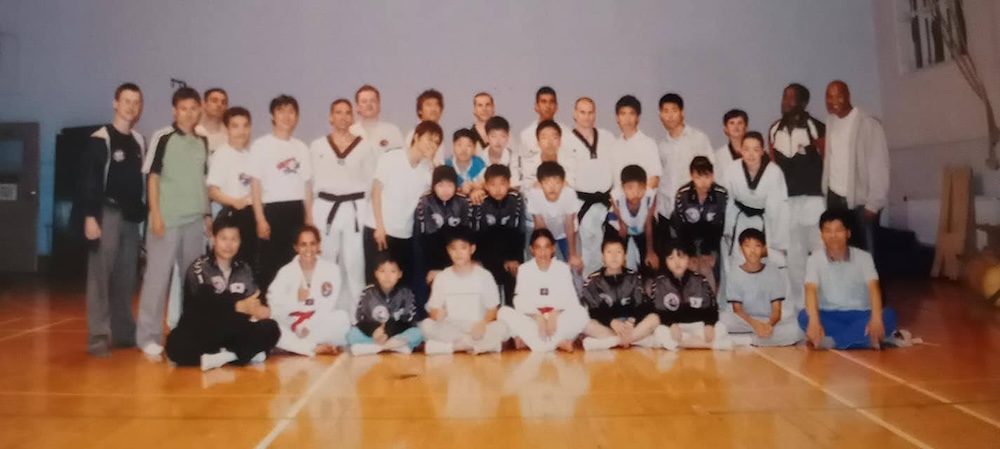
It would be impossible to imagine C-suite leaders working with interns, but this happened every week in class. The black belts including, Jason, Banou, Juan and Dave, trained alongside the no-belt beginners. Everyone is equal in their endeavor to improve.
One of the things I valued the most about class was the diversity, as my fellow martial artists came from a whole range of backgrounds. The community spirit made it feel like a snapshot of the world, which I treasured. There was a German professor Simone, a Polish architect Kinga and a library archivist Alison D, to name just three.
A few years into training, I met Alison C, who worked in the elder care sector. She provided invaluable guidance when it came to caring for Bibi-g.
Beyond limits
My greatest gain from TKD was strength. Often, a challenge was set, such as completing an infinite number of kicks in a short space of time. The team spirit made every seemingly impossible challenge possible.
The growth mindset is integral to martial arts as you are continuously learning. There is no end to improving your techniques. Being able to think in this way opened up my world.
A knock-on effect of this was that I was able to develop persistence. That bounce-back is so essential in building stamina to deal with tricky issues. TKD helped me feel calmer and more centered, which was important when I was helping to care for Bibi-g.

The three sides of TKD
In broad terms, TKD has three aspects: sparring (gyeorugi), patterns (poomsae) and breaking (gyeokpa).

- Gyeorugi allows you to practice strategy and tactics in real-time, as well as understanding your opponent. It’s not wise to react to every move but to choose when to move. Sparring matches gave me self-knowledge. This was brilliant when it came to winning the system over for Bibi-g.
TKD is a combative practice, but it should also be a safe space. There is the occasional accidental clash, but overall, the emphasis is on trusting that your classmate has control. Finding that trust helped me keep my faith in people.
- Poomsae has been described as a moving meditation. Each pattern has its own personality.
By going through the movements, I found power or peace. The individual moves in a pattern have practical applications for sparring or self-defense.
- Gyeokpa involves breaking boards, and learning how to do it was a big confidence boost. The key is to strike through the board, focusing on a target beyond it. Like many things, it is about overcoming obstacles and coming out on the other side in one piece.
TKD has been a journey. When I was facing loss, and it felt like life was hitting hard, I’m grateful I found my fight club.
Addendum: High-fives to the Jaguars whose names I missed ❤


 story tale anecdote
This article serves as a poignant reminder that strength often emerges from the most unexpected places and that healing can take many forms. The heartfelt tribute to Bibi-g, intertwined with the sense of purpose gained through TKD, resonates deeply with me. Like you, I miss Bibi-g profoundly. Her spirit and the lessons she imparted continue to inspire me, reminding me that even in our grief, we can find strength and purpose.
LikeLiked by 1 person
I felt this in my heart: your grief and I was fascinated by the TKD techniques, their meaning and their meditative power as your steady companion through it all. Your grief, TKD, two potent forces in catalysing the ninjawriter in you. Loved this ! ❤️
LikeLiked by 1 person